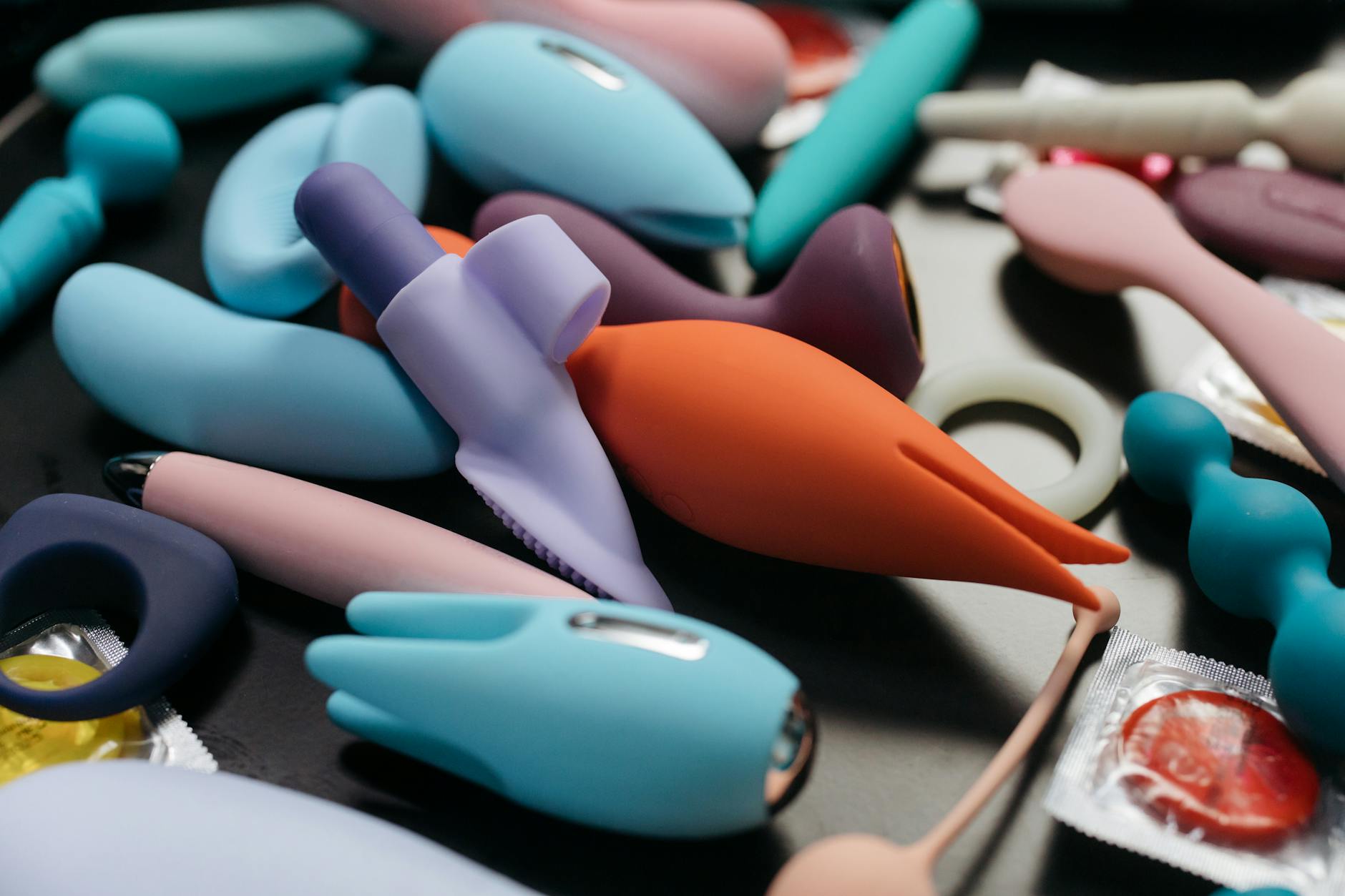
Let's talk about what surgery actually does to sensation
Surgery numbs you. Not just in the obvious places. Anesthesia, inflammation, scar tissue formation, and the disruption of nerve pathways can all flatten sensation in and around the surgical site for weeks or months after healing. If your surgery was anywhere below the belt, that numbness extends directly into your pleasure zones. And that's wildly frustrating because you're supposed to be "healed" but you feel like someone turned down the volume on your entire body.
Here's the thing though. Numbness after surgery isn't permanent. Nerve endings regenerate. Blood flow returns. Your body wants to feel again. A lemon clitoral vibrator can actually help that process along, but only if you use it right.
Why sensation drops after surgery in the first place
When a surgeon operates anywhere in your pelvic region (whether that's a C-section, hysterectomy, fibroid removal, endometriosis excision, or even abdominal surgery that affects nerve clusters), they're working near or through tissue that's densely packed with sensory nerves. Some of those nerves get stretched, some get bruised, and some temporarily lose their ability to send signals to your brain.
Add in the inflammation that naturally follows surgery. Your body floods the area with fluid and immune cells to repair itself. That swelling presses on nerves and restricts blood flow, which is what actually carries oxygen and nutrients to nerve endings. No oxygen, no feeling.
Then there's scar tissue. As the surgical site heals, collagen builds up. If that scar tissue binds down nerves or restricts movement in the pelvic floor, sensation stays dampened even after the incision looks totally fine from the outside.
The timeline is different for everyone. Some people regain feeling within weeks. Others take three to six months. A very small percentage takes longer. But most people do get there.
When it's actually safe to use a lemon vibrator after surgery
This is the part where I tell you to follow your surgeon's clearance, because I mean it. If your doctor said "six weeks before any sexual activity," that's a hard line, not a suggestion. Going in early risks infection, reopening incisions, and damaging repairs that are still holding together by collagen threads.
But here's what "sexual activity clearance" actually means. It usually means internal penetration is safe. External clitoral stimulation, which is what a lemon clitoral vibrator provides, often gets cleared earlier by many surgeons because there's no internal pressure or intrusion. If you're not sure, text your surgeon's office and ask specifically about external vibrators. Most will give you the green light within four to six weeks, depending on the surgery.
Until you're cleared, your job is just waiting. I know that sucks. But rewaking sensation after surgery is a patience game.
How to restart sensation safely with a lemon vibrator
Once you're cleared, start low and slow. This isn't the time to hit your favorite pattern at full intensity. Your nerves are still sensitive, in the medical sense.
First time: Set your lemon vibrator to the lowest pattern (usually pattern 1 on a Lem vibrator). Hold it against your inner thigh for 30 seconds. Not your clitoris. Your thigh. You're testing whether the sensation feels good or overwhelming. Most people at this stage report that even light vibration feels intense, which is fine. That's your nervous system waking up.
Day three or four: Move the vibrator to the outer labia. Same low intensity. Same 30 to 60 seconds. You're not trying to orgasm. You're teaching your nerves that sensation is returning and it's not dangerous.
Week two: Now you can try direct clitoral contact, but keep intensity low. Spend five to ten minutes maximum. Your nerves fatigue faster during recovery. More isn't better. Consistent and gentle is.

Photo by Madison Inouye on Pexels
The role of lubrication in post-surgery sensation
After surgery, your body often makes less natural lubrication. Add in the fact that your nervous system is still rebooting, and you've got a situation where the friction of a vibrator against sensitive tissue can feel uncomfortable instead of pleasurable.
Use a water-based lubricant every single time you use a lemon clitoral vibrator during recovery. Not for sexy reasons. For protection. A good lube reduces friction, warms the area slightly, and actually helps signal to your nervous system that stimulation is coming. It's clinical and practical.
Apply it generously. Reapply if things start to feel dry. Your body's natural lubrication response will return, but not for a while, and you shouldn't wait for it.
Why a lemon vibrator specifically helps rewake sensation
Lem vibrators use air-suction technology instead of traditional buzzing. That suction gently pulls on the tissue around your clitoris, which stimulates a wider range of nerve endings than direct vibration alone. After surgery, when nerves are still recovering, that broader stimulation pattern actually helps activate dormant nerve pathways more effectively.
The suction is also gentler on healing tissue. It doesn't rely on rapid friction or pressure against scar tissue. You're creating a gentle vacuum, which also increases blood flow to the area naturally. More blood flow means more oxygen and nutrients reaching those recovering nerves.
What numbness should improve and what shouldn't
Expect gradual changes, not sudden awakening. In week three you might notice your clitoris feels slightly more sensitive to touch. In week six you might notice that patterns 3 and 4 on your lemon vibrator start to register when pattern 1 felt like nothing before. That's normal and good.
What you should not experience is sharp pain, stabbing sensations, or sensation that actually gets worse over time. If that happens, stop and check in with your surgeon. You might have nerve damage that needs attention, or scar tissue that's too tight, or an infection that's still brewing.
Mild discomfort is different from pain. Discomfort often improves with a bit more lube and a slightly lower intensity. Pain doesn't improve. Pain is your body's stop sign.
Emotional recovery matters as much as physical
Honestly, the numbness that bothers people most isn't always the physical kind. It's the fear that you're broken. Surgery messes with your sense of your body as a source of pleasure. You've just been cut open, bandaged, and told to keep a surgical site clean and protected. Now you're trying to eroticize that same area. That's a psychological tightrope.
Let yourself grieve the old feeling for a bit. The pleasure you had before surgery was real. The numbness now is also real. Both things exist at the same time. Using a lemon clitoral vibrator isn't about "getting back to normal." Your normal has changed. It's about building a new normal where your body feels like yours again.
If your partner is involved in this recovery, tell them what's happening. Tell them that sensation is slow to return, that you need to go low and slow, and that you're learning your body again. That conversation is its own kind of intimacy.
When to expect real improvement
Most people notice meaningful change by week eight to twelve post-surgery. By month six, most people are back to baseline sensation or very close. A small percentage takes longer, but the trajectory is almost always upward.
If numbness persists beyond six months, it's worth mentioning to your gynecologist or surgeon. There are other interventions that can help, from physical therapy to nerve-targeted treatments. But six months in, the issue is usually less about surgery itself and more about scar tissue or pelvic floor tension that responds to targeted work.
FAQ: Your questions about numbness and recovery
How do I know if my numbness is normal or a sign something's wrong?
Normal numbness is diffuse (spread across an area), constant, and improves gradually over weeks and months. Abnormal numbness is sharp, localized to a small spot, associated with persistent pain, or gets worse over time. If you're unsure, reach out to your surgeon's office. That's literally what they're there for.
Can I use my lemon vibrator if I'm still having some pain?
Mild discomfort with a lemon clitoral vibrator is often just sensitivity to stimulation you haven't felt in a while. But if actual pain shows up, stop and wait. Pain means something's not ready yet. You can always try again in another week or two.
How long should I stay on low intensity?
There's no hard timeline, but most people stay on patterns 1 and 2 for at least two to four weeks after clearance, then gradually move up if sensation is improving. Listen to your body. If pattern 3 feels too intense, you're not ready yet.
Will sensation ever feel like it did before surgery?
Maybe not identical. Scar tissue can create small persistent changes in sensation, or your recovery might actually unlock new sensations you didn't have before. But for most people, pleasure returns to baseline or better by six months.
Should I tell my partner about using a lemon vibrator during recovery?
That depends on your relationship and what feels right to you. But if your partner is involved in your sexual life, transparency helps. Recovery is faster when you're not hiding what you're doing or pretending to feel sensations you don't actually have yet.
Can I use patterns or modes on my lemon vibrator that I couldn't use before surgery?
Maybe. Some people find that their nervous system reorganizes during recovery and responds differently to stimulation. You might discover that a pattern you never liked before becomes your favorite, or that one you loved now feels overwhelming. Give yourself permission to explore and change your preferences.
The bigger picture
Surgery changes your body. That's real. But it doesn't end your pleasure. Your lemon vibrator isn't a sign that something's broken. It's a tool for safely rewaking sensation as your body heals. Take your time. Be patient with your body. And know that most people who use this approach report that sensation doesn't just return. It improves.
If you're struggling with the emotional side of post-surgery recovery, or if sensation isn't coming back the way you expected, reach out to a therapist who specializes in body image or sexual recovery. Rewiring your relationship with your body after surgery is just as important as the physical healing, and you don't have to do it alone. If you have questions about using your lemon clitoral vibrator or need guidance on recovery in general, get in touch with Lem Vibrator Shop. We're here to help.